

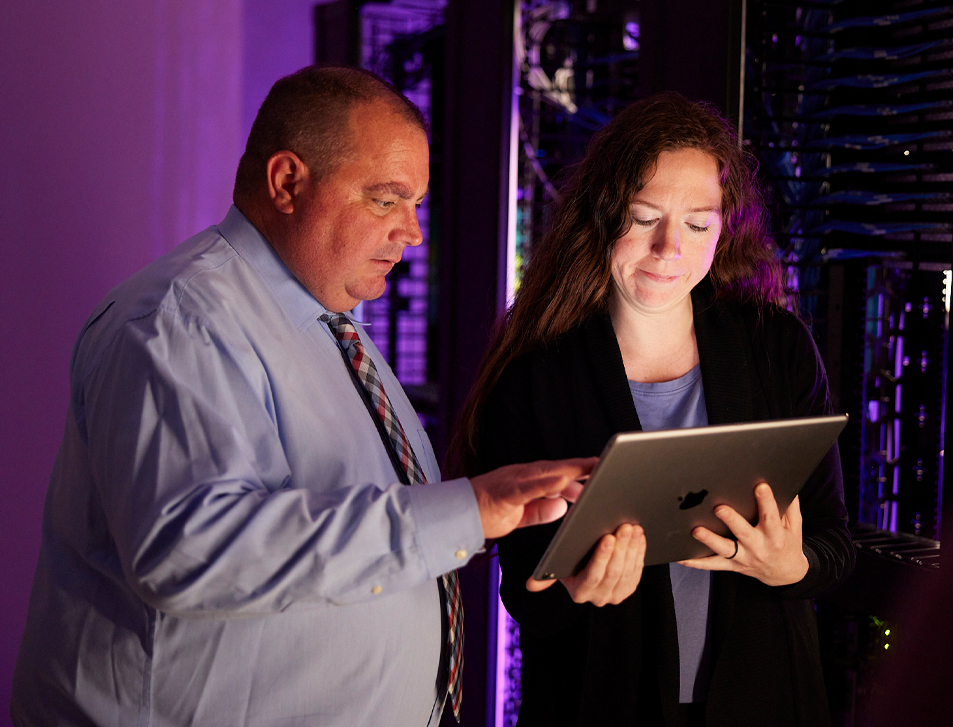

A highly diverse team imagining the undiscovered

RENAL RESEARCH INSTITUTE

Transforming
patient care
through data-driven
innovation

ABOUT THE RENAL RESEARCH INSTITUTE

The heart of RRI’s capacity for innovation is our ability to examine complex problems through multiple lenses.

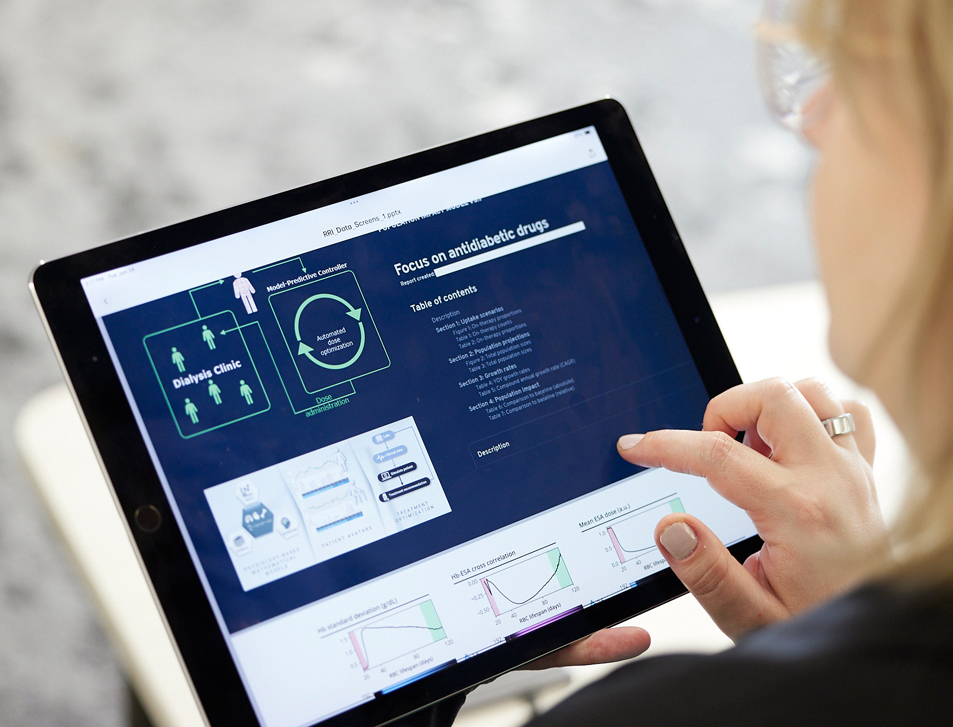
The Renal Research Institute (RRI) is an internationally recognized incubator of ideas, treatment processes, and technologies to improve the lives of kidney patients. RRI’s leadership in data analytics, computational biomedicine and AI, as well as our access to a large patient population, accelerates the pace of scientific discoveries and their translation into applied medicine. Our team includes some of the brightest minds from around the world, who, along with their disciplinary expertise, bring a deep understanding of global healthcare issues and challenges.


Our Research

We operate at the intersection of clinical data, machine data, and real-world practice, with access to a large patient population and one of the world's largest and richest renal datasets. Our deep connection to the scientific community and to med-tech innovators gives us the rare ability to translate insight into action—quickly, precisely, and meaningfully.


Latest Research & News

Latest Research

  • Xin Wang, Syed Zaidi, Cindy Chan, Yan Yi Cheung, Nadja Grobe, Peter Kotanko, Sandip Mitra, Milind Nikam

    RESULTSWe studied 44 patients (26 males, age 68.0 ± 13.4 years, 34 Caucasians, 21 with diabetes), of whom 28 (63.6%) experienced successful fistula maturation. Metabolomic profiles with 2768 features were correlated with maturation outcomes. Lasso logistic regression identified six metabolites associated with maturation outcomes, with an area under the receiver operating characteristics curve of 0.917 (95% CI: 0.833-1.000). These metabolites are linked to cellular energy production and inflammation, offering new insights into AVF maturation biology. Importantly, our findings remained robust after adjusting for clinical and demographic variables.CONCLUSIONSSix metabolites identified in plasma samples collected prior to arteriovenous fistula creation were associated with subsequent vascular access maturation outcomes. If validated in larger studies, these biomarkers could aid personalized vascular access planning and inform research into potential novel therapeutic targets.BACKGROUNDArteriovenous fistulas are the preferred vascular access for most hemodialysis patients; however, poor maturation rates limit their widespread adoption. Here, we investigated plasma metabolites as potential biomarkers associated with fistula maturation outcomes before fistula creation.METHODSWe conducted untargeted metabolomics on plasma samples collected before fistula creation surgery in patients from the Manchester Vascular Access Study, a prospective observational study of the natural history of newly created fistulas. Successful fistula maturation was defined as either adequate hemodialysis using the newly created fistula, or a combination of ultrasound criteria (fistula diameter >4 mm with a blood flow ⩾ 500 mL/min) and clinical assessment. Metabolomics data were analyzed via unsupervised cluster analysis, and Lasso logistic regression was employed to assess associations between metabolites and fistula maturation outcomes.

No Results Found

Latest News

No Results Found

Education

LATEST EPISODE

Beyond the Equation | Dr. Amaka Eneanya on Kidney Function, Clinical Change, and Communication

March 2, 2026

In this episode of Frontiers in Kidney Medicine and Biointelligence, host Len Usvyat, MD, is joined by Amaka Eneanya, MD, MPH, FASN, Adjunct Professor of Medicine at Emory University School of Medicine and former Chief Transformation Officer at Emory Healthcare. Dr. Eneanya reflects on kidney function estimation, the evolution of clinical tools in nephrology, and the role of communication, patient perspectives, and digital platforms in shaping medical discourse. This episode offers an in-depth discussion on how research findings move from theory into real-world clinical practice.