
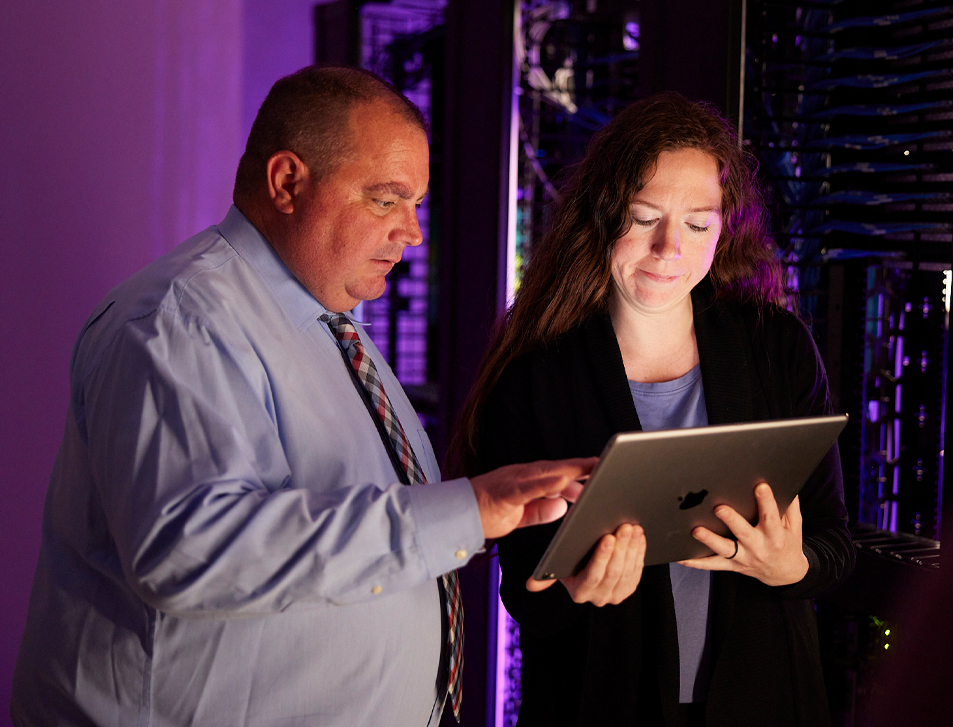

A highly diverse team imagining the undiscovered

RENAL RESEARCH INSTITUTE

Transforming
patient care
through data-driven
innovation

ABOUT THE RENAL RESEARCH INSTITUTE

The heart of RRI’s capacity for innovation is our ability to examine complex problems through multiple lenses.

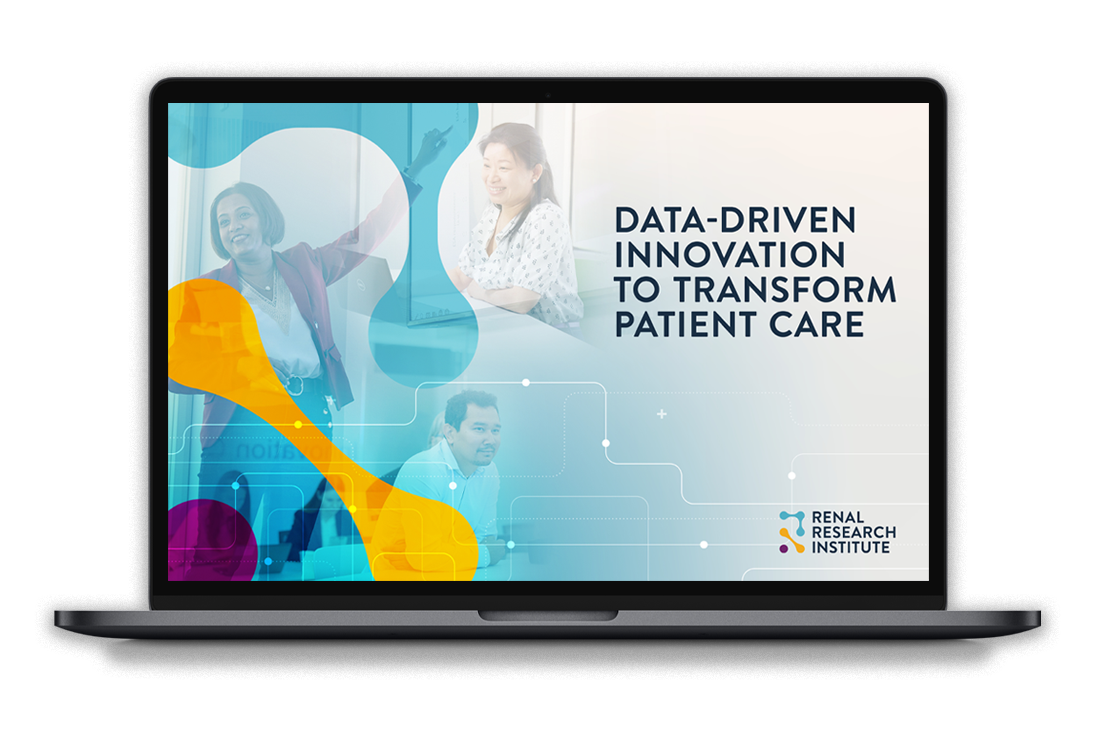
The Renal Research Institute (RRI) is an internationally recognized incubator of ideas, treatment processes, and technologies to improve the lives of kidney patients. RRI’s leadership in data analytics, computational biomedicine and AI, as well as our access to a large patient population, accelerates the pace of scientific discoveries and their translation into applied medicine. Our team includes some of the brightest minds from around the world, who, along with their disciplinary expertise, bring a deep understanding of global healthcare issues and challenges.


Our Research

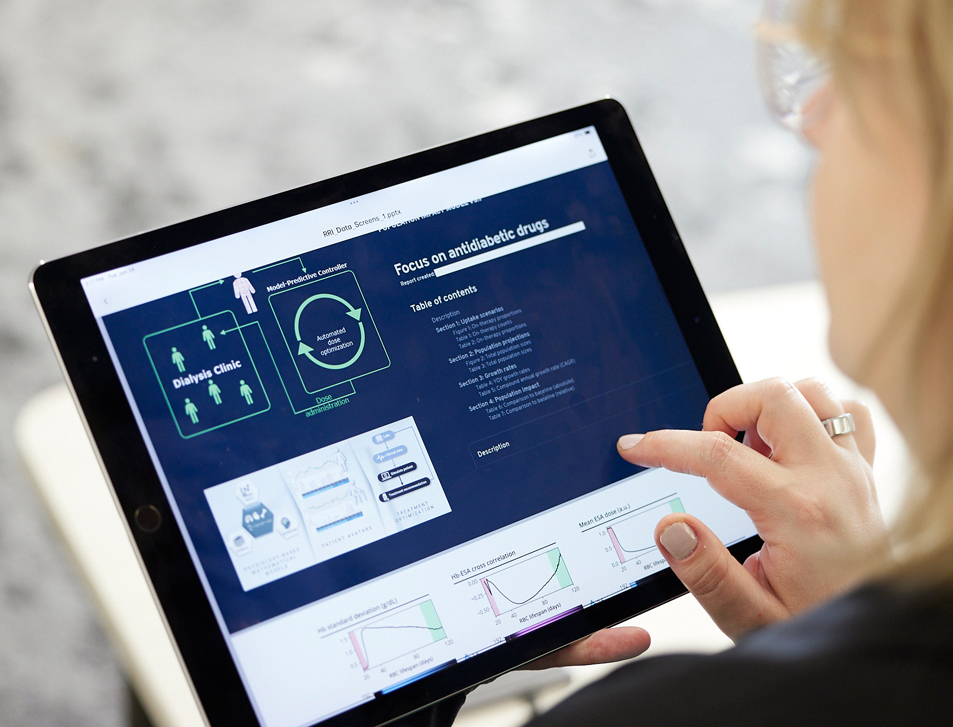
We operate at the intersection of clinical data, machine data, and real-world practice, with access to a large patient population and one of the world's largest and richest renal datasets. Our deep connection to the scientific community and to med-tech innovators gives us the rare ability to translate insight into action—quickly, precisely, and meaningfully.


Latest Research & News

Latest Research

  • Gabriela F Dias, Chenxi Fan, Maggie Han, Xiaoling Wang, Ohnmar Thwin, Lemuel Fuentes, Xin Wang, Hanjie Zhang, Wensheng Guo, Peter Kotanko, Nadja Grobe, Yuedong Wang

    RESULTSAmong 417 metabolomic features, 10 showed significant changes between baseline and PIP. Two metabolites, α-guanidinoglutaric acid and N-acetylneuraminic acid, were identified through library matching, while the remainder were characterized by mass and retention time. Temporal analysis revealed both transient metabolic shifts, which returned to baseline, and persistent changes, which remained altered post-COVID.CONCLUSIONSThese findings suggest that early metabolic changes before COVID-19 diagnosis may be detected in routine serum samples, offering opportunities to develop predictive models for early detection. Identifying these unique metabolomics fingerprints could improve personalized surveillance strategies and enhance understanding of COVID-19's impact on hemodialysis patients.BACKGROUNDMaintenance hemodialysis patients experience higher morbidity and mortality from COVID-19, partly due to comorbidities like diabetes and cardiovascular disease. However, kidney disease-related metabolic processes may also contribute.METHODSIn this prospective, multi-center, observational study, we analyzed 201 routine serum samples from 30 hemodialysis patients (average age 59.2 ± 13.3 years, 57% male) with confirmed COVID-19, collected from 60 days before and 60 days after diagnosis. Untargeted liquid chromatography/mass spectrometry was used to profile metabolites. Linear and semi-parametric mixed-effects models were applied to assess changes across four phases: baseline (-60 to -15 days), putative incubation period (PIP; -14-0 days), acute (1-14 days), and post-COVID (15-60 days). Because infection and symptoms may vary across individuals, -14-0 days were used as an approximate pre-diagnosis window rather than a precise incubation interval.

No Results Found

Latest News

No Results Found

Education

LATEST EPISODE

Beyond the Equation | Dr. Amaka Eneanya on Kidney Function, Clinical Change, and Communication

March 2, 2026

In this episode of Frontiers in Kidney Medicine and Biointelligence, host Len Usvyat, MD, is joined by Amaka Eneanya, MD, MPH, FASN, Adjunct Professor of Medicine at Emory University School of Medicine and former Chief Transformation Officer at Emory Healthcare. Dr. Eneanya reflects on kidney function estimation, the evolution of clinical tools in nephrology, and the role of communication, patient perspectives, and digital platforms in shaping medical discourse. This episode offers an in-depth discussion on how research findings move from theory into real-world clinical practice.